
Multifamily buildings overtake single-family homes as the dominant rental option
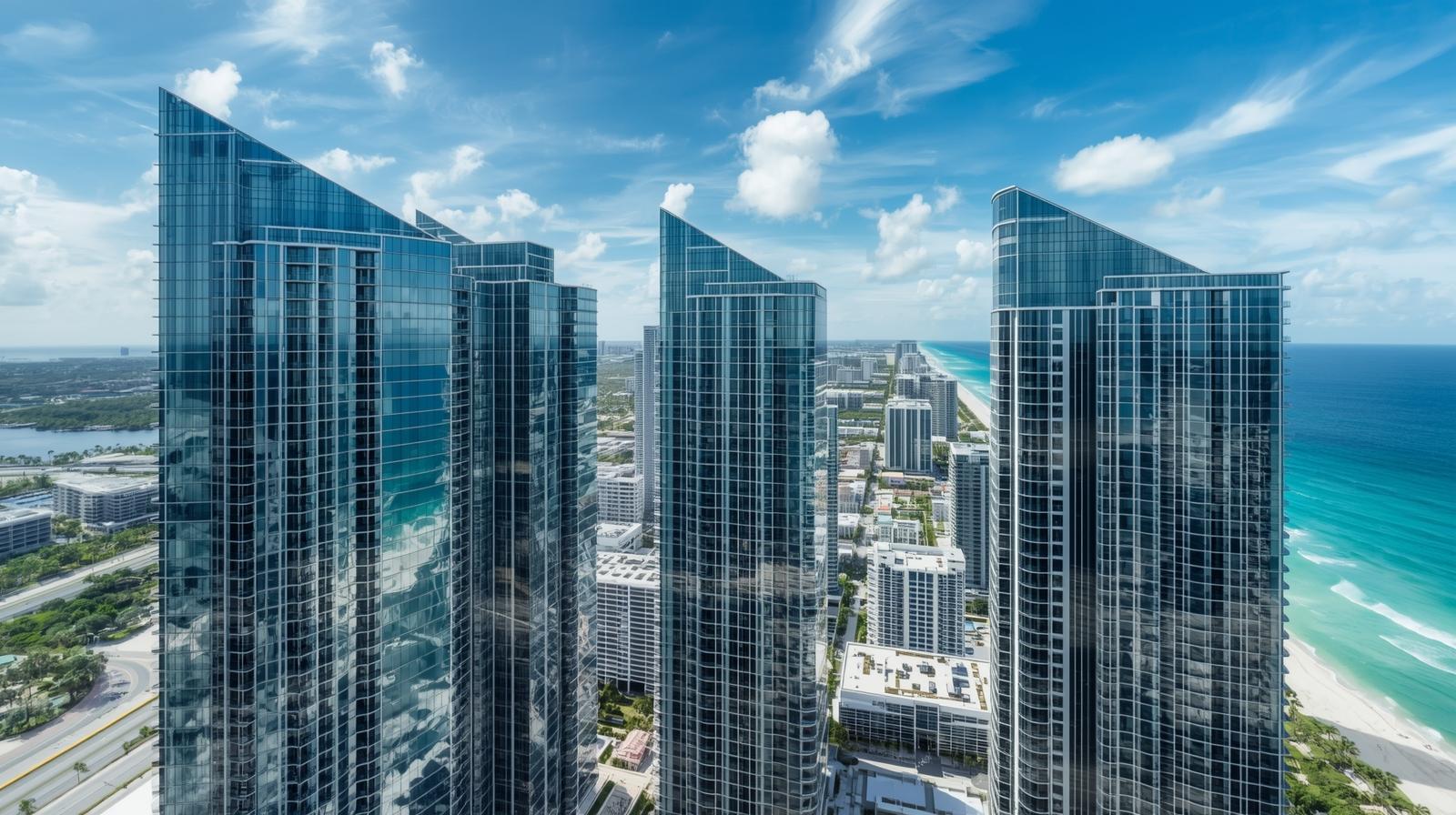
According to a Jan. 29, 2026, Redfin report, a record 33.1% of U.S. renter-occupied housing units are in large multifamily buildings (20+ units), the highest share since 2011. This surge, driven by years of heavy development, means large apartment buildings have overtaken single-family homes (31% of rentals) as the most common rental type.
Key Findings:
- Rise of Apartments: Large, 20+ unit buildings now house over one-third of all U.S. renters.
- Single-Family Decline: The share of single-family rentals has dropped to 31%, a record low.
- Regional Trends: New York City leads the nation with 69.1% of rentals in large buildings, followed by Minneapolis (61.5%) and Seattle (52.5%).
- Market Drivers: A boom in multifamily construction, particularly in 2024, has increased supply, which in turn has helped temper rent growth for these units.
This shift, driven by investors and homeowners buying up inventory, has restricted the rental supply, reduced options for renters, and contributed to rising prices in the single-family market.
Key Findings Regarding Declining Single-Family Rentals:
- Inventory Reduction: The supply of single-family rentals has been in a, 9-year contraction, dropping from a peak of nearly 19 million units in 2016 to 18 million recently.
- Owner-Occupier Shift: High demand for homeownership, coupled with investors selling, has moved many single-family homes from the rental market to owner-occupied status.
- Impact on Renters: The dwindling supply has forced more renters into the competitive multifamily sector, where rental growth is now concentrated.
- Market Context: Despite the decline in single-family rentals, overall rental demand remains high, with multifamily construction reaching new heights to meet demand.


Related Posts